
How We Calculate a Cash Offer on Your House (With Real Numbers)
The formula we use for every cash offer in Kansas City, and two real houses we bought with the numbers shown, including one where we're losing money.
 By Tommy Erwin, OwnerUpdated November 23, 2026
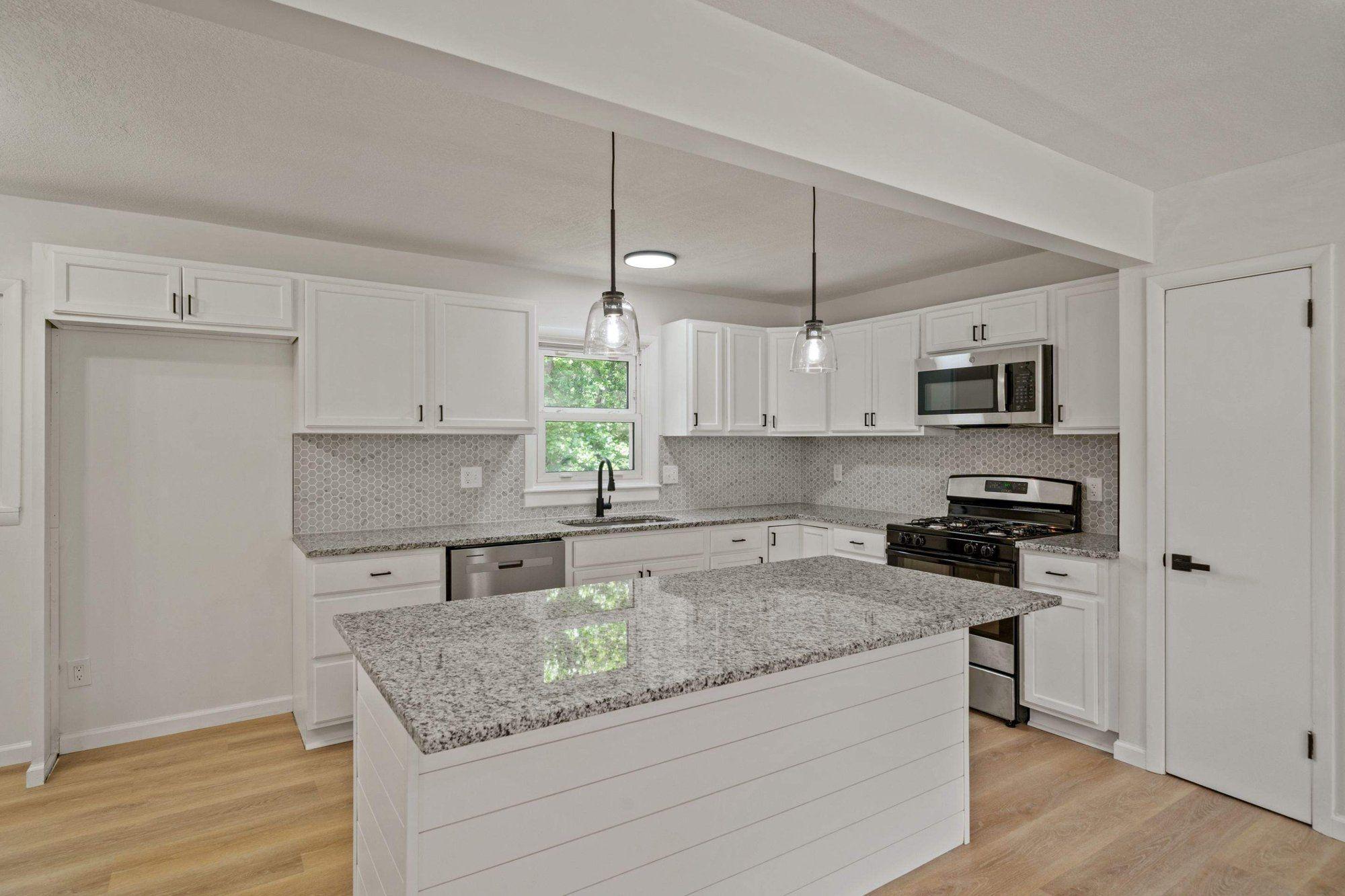
When someone asks us for a cash offer, the question behind the question is usually "are you going to lowball me?" That's fair. Most cash buyers won't tell you how they got to their number. We'll show you, because we use the same formula on every house, and once you've seen it you can check our math yourself. Below that are two houses we bought recently: one that went the way we planned, and one that didn't.
One disclosure before the numbers: besides buying houses, I'm a licensed real estate agent in Missouri and Kansas. When we buy your house, we're buying it for ourselves. We aren't representing you in the sale.
The formula
We start with what the house would sell for on the open market once it's completely fixed up and in great shape. Investors call this the after repair value, or ARV. To get it, we look for recent sales within about a quarter mile of the house, with the same or very similar bedroom and bathroom count and square footage. Then we take a weighted average of the three most comparable sales.
Then we multiply that fixed-up value by 75 percent and subtract what it'll cost to fix the house. What's left is our fair cash offer.
Fixed-up value (ARV) × 75% − repair costs = our offer
If you've looked into this before, you've probably seen it called the 70% rule. That's the percentage most investors use. We use 75% in Kansas City, which leaves more of the house's value with the seller. On the East Kansas City house below, that difference was worth $13,000 to the seller.
That 25 percent gap is where people assume we're getting rich. Most of it goes to costs you'd never see from the seller's side of the table: interest on the money we borrow, property taxes and insurance while we own it, utilities, the realtor we pay when we sell, and closing costs on both ends. Some of it is profit. We're a for-profit business, and if we don't make smart decisions on each house, we won't be around to buy the next one.
We walk every house ourselves to price the repairs. After enough rehabs and enough transactions, we know what our contractors charge for a roof, a furnace, or a kitchen, so we don't need to bring one along to give you a number.
A house that went to plan
In spring 2025 we bought a house in East Kansas City. The seller was facing foreclosure, and selling to us let them get out before the bank took the house.
It was a 3-bed, 2-bath, and the three closest 3-bed, 2-bath sales of similar size nearby put its value fixed up at about $260,000. It needed a lot: a new roof, full kitchen and bathroom remodels, new flooring, refinished hardwood floors, paint inside and out, a new driveway, and a yard cleanup. On the walkthrough we also found wood rot and termite damage on the back of the house, which meant new framing. We priced that in before we made the offer. The total rehab budget came to $65,000.
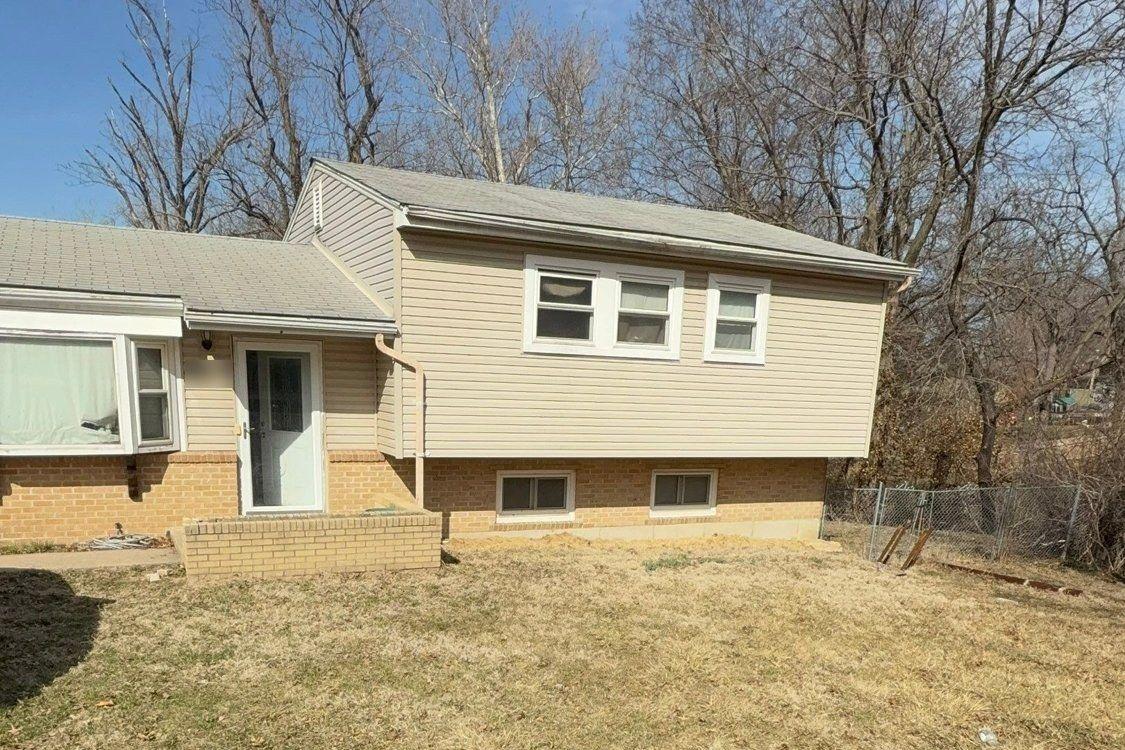
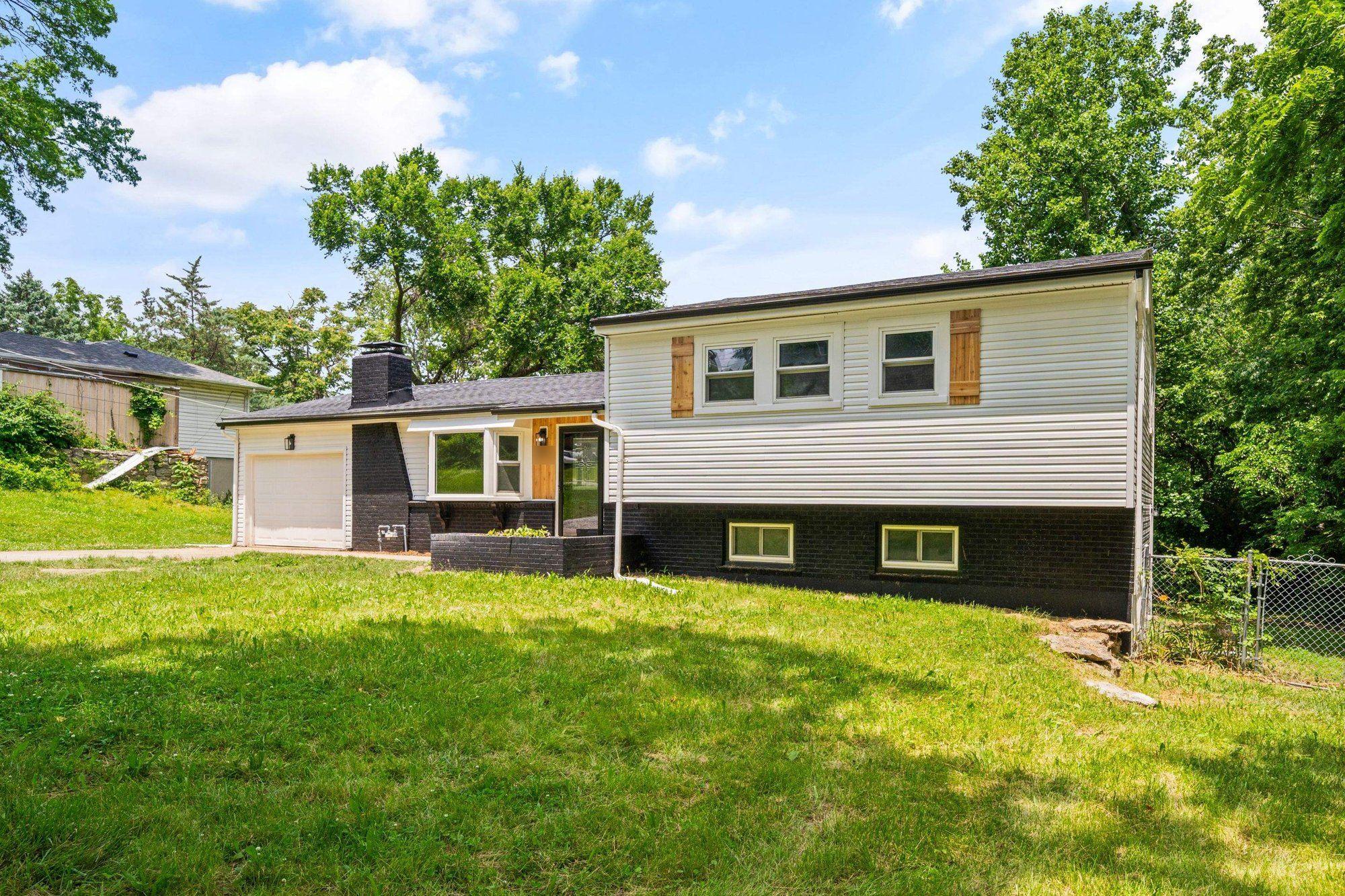
Here's the formula on that house:
$260,000 × 75% = $195,000
$195,000 − $65,000 in repairs = $130,000
We offered and paid $125,000.
The rehab came in at about $66,000, within $1,000 of budget, termite work and all. Four and a half months after we bought it, it sold for $260,000, exactly the value we'd projected.
Here's where the money went:
- Sale price: $260,000
- What we paid for the house: −$125,000
- Rehab: about −$66,400
- Loan interest and points: about −$8,300
- Commission to the buyer's agent: about −$7,900
- Listing fee: about −$1,800
- Insurance, utilities, and property taxes while we owned it: about −$2,500
- Closing costs and other fees on the purchase and the sale: about −$9,000
- Our profit: about $39,000
That listing fee is low because I'm a licensed real estate agent, so I listed the house myself and only paid what my brokerage charged me. A typical listing commission would have cost several thousand dollars more.
That's what it looks like when we get the numbers right. We caught the termite damage before we made the offer, the crew stayed on schedule, and the market held. Our next house didn't go that way.
A house that didn't go to plan
In February 2026 we bought a house in Lenexa. We estimated it would be worth $485,000 fixed up. We paid $352,000 and budgeted $20,000 for a new deck, interior paint, and bathroom remodels. We expected to make $30,000 to $40,000.
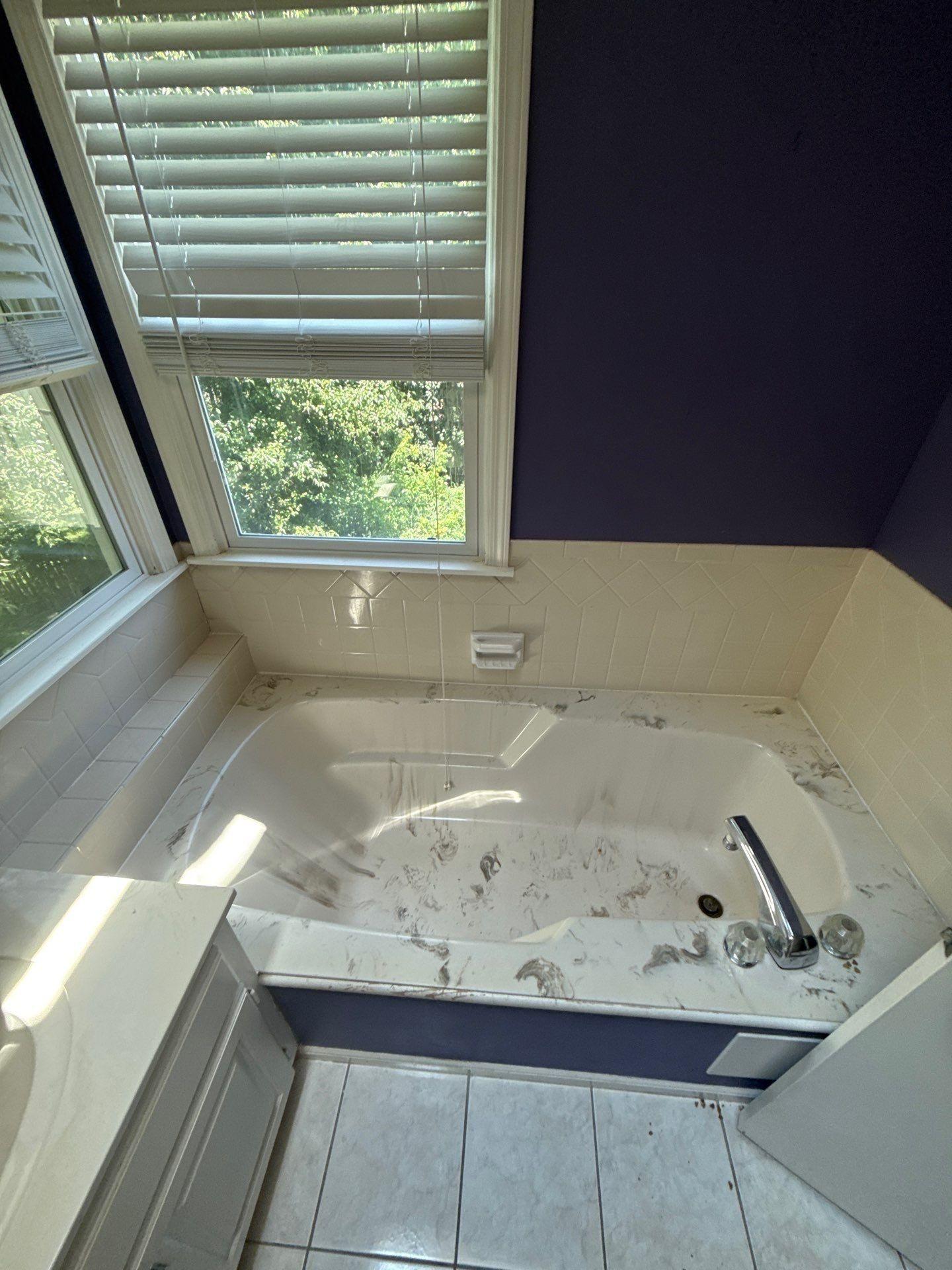
If you run our formula on that house, it says $343,750, and we paid $352,000. We went over because it looked like a less risky project: a smaller renovation in a nicer area. Then the renovation turned into a lot more than we expected, and the local market changed while we held it.
It's November 2026, and it still hasn't sold. Here's what went wrong:
- We missed things in the rehab. Once we got into it, we found termite damage that meant redoing floor joists in the basement. None of that was in our budget, and the rehab ended up costing more than $45,000, over twice what we planned.
- The contractors moved slowly. Every extra month added to our holding costs.
- The market shifted while we held it. We underwrote the house at $485,000. It's listed at $450,000 now, and we haven't had an offer.
- The holding costs piled up. We're paying interest, insurance, utilities, and upkeep every month, and on a house at this price, that adds up fast.
Instead of making $30,000 to $40,000, we're on track to lose somewhere between $5,000 and $15,000, and that number gets worse every month it doesn't sell.
On a more expensive house, a missed repair and a slow crew cost you twice: once in the rehab, and again in every month you hold it.
The cost nobody sees: risk
The Lenexa house is the reason the gap in our formula exists. When we buy a house to remodel it, we're betting on a lot of things going right. The market can shift while we're working on it. We can open a wall and find something that costs far more than we planned. The house can sit longer than we expected while we keep paying interest. And not every contractor is a good one.
When you take our offer, all of that becomes our problem instead of yours. Our offers leave room for the problems we can't see behind the walls, because sometimes they're there.
Do we ever change an offer?
We try to be transparent and honest with every offer, and when we make one, that's where we stand. But it has gone both ways.
We've had to lower an offer when circumstances changed. Sometimes we missed something in the rehab budget, or we were too high on the after repair value because we were trying to give the seller a good number and make something happen. At the end of the day, if it doesn't pencil, it doesn't pencil, and we'll tell you why.
We've also raised offers. We write conservative numbers, so sometimes we overestimate the rehab, or we find a way to adjust the scope and bring the cost down. And sometimes we'll pay a little more on a deal to keep a crew busy between projects.
If another investor offered you more
A question we like to ask people is, "If we were the same price, who would you go with?" A lot of the time they say us. When we ask why, they say they trust us more, we seem more honest, they believe we'll do what we say we're going to do.
That matters more than people think. Anyone can put any number on a piece of paper. Not everybody can actually close. We have closed on nearly every house we have ever put under contract. A higher offer that falls apart three weeks in, or gets renegotiated at the last minute, isn't worth more than a lower one that closes on the day you picked.
So we try to help sellers figure out what matters most to them. For some people, it's the bottom dollar. For others, it's knowing the sale will happen, quickly and without hassle.
Sometimes we're not the right option
We're not the best fit for everybody, and we'll tell you so. Every week, we tell people they should probably go a route that doesn't involve us. The most common case is someone who isn't under any real pressure. There's no foreclosure, no tight timeline, nothing forcing the sale, and the house is in generally good repair. If that's you and you can wait, you'll probably make more money selling it on the open market.
We're not trying to turn every phone call into a deal. We're trying to give you real options. Sometimes that's an offer from us, and sometimes it's sending you somewhere else.
If you're behind on payments like the East Kansas City seller was, read about selling a house in foreclosure. If you're weighing a cash offer against listing, we compare the two side by side on our cash offer vs. listing page.

About Tommy Erwin
Licensed real estate agent in Missouri (#2022032791) and Kansas (#00249367)
Tommy Erwin owns Vibrant Home Buyers. In six years he has bought and sold more than 100 houses in the Kansas City area and completed more than 75 renovations.
More about Tommy ErwinReady to compare options?
Get a local cash offer without repairs, showings, or agent commissions.
Share a few details about the property and Vibrant Home Buyers will follow up with a clear next step.
Get My Offer